
A secure parcel delivery service matters most when the consignment cannot be replaced, delayed or left to chance. That may be a signed contract needed before close of business, a replacement laptop holding up a team, high-value stock required for a customer, or a pallet of essential parts stopping work on site. In these situations, security is not simply about wrapping a parcel well. It is about knowing who has it, where it is, how it is being handled and when it will arrive.
For urgent deliveries, the delivery model is often more important than the label on the box. A standard network can involve multiple depots, sorting points and handovers. That works for routine consignments, but every transfer adds time and introduces another point where a parcel can be delayed, misrouted or damaged. Dedicated same-day transport takes a different approach: one vehicle, one driver and direct collection-to-delivery movement.
What makes a secure parcel delivery service secure?
Security comes from control at every stage of the job. The strongest service is one that provides a clear chain of custody from collection through to proof of delivery, rather than leaving customers to chase updates after a missed deadline.
For most urgent consignments, four practical measures make the greatest difference:
- A vetted, fully insured driver assigned to the delivery
- GPS-tracked vehicles and live journey visibility
- Direct door-to-door transport without depot transfers
- Clear collection and delivery confirmation, including proof of delivery where required
These measures work together. Tracking alone is useful, but it does not prevent unnecessary handling. Insurance offers reassurance, but it is not a substitute for careful transport. The safest option combines professional drivers, appropriate vehicles, direct movement and real-time accountability.
Direct transport reduces handling risk
Every handover creates a potential gap in accountability. Parcels moving through a multi-drop network may be loaded and unloaded several times before they reach their destination. For low-value, non-urgent items, that may be a reasonable trade-off. For sensitive documents, IT equipment, valuable goods or production-critical parts, it often is not.
A dedicated courier collects your consignment and takes it directly to the delivery address. There are no sorting depots, no shared trunk routes and no onward carrier handovers. This reduces exposure to loss and damage while giving the sender a simpler, more reliable delivery plan.
It also helps when the recipient has a narrow receiving window. A driver travelling directly to site can be briefed on access restrictions, named contacts, loading bay instructions or security procedures before collection. That level of operational detail is difficult to manage when a parcel is moving through several stages.
Visibility changes how quickly problems can be solved
When a delivery is urgent, silence is rarely reassuring. GPS tracking gives the sender meaningful visibility of the vehicle’s progress, allowing teams to update colleagues, customers and site staff with confidence. If road conditions, an address issue or access restrictions affect the journey, the problem can be identified and managed earlier.
Real-time information is especially useful for businesses coordinating people around a delivery. An IT team can prepare for replacement equipment. A legal office can ensure someone is available to receive original documents. A facilities manager can arrange unloading support for a larger consignment. Tracking turns an uncertain wait into an operational plan.
Match the vehicle to the parcel and the risk
Secure delivery is not only about speed. The vehicle must be suitable for the size, weight and handling needs of the consignment. Sending an oversized item in a vehicle with insufficient capacity can lead to poor loading, avoidable delays or a failed collection. Equally, booking a much larger vehicle than required may add cost without improving the outcome.
A motorbike may suit urgent documents or small parcels where traffic conditions make speed essential. Cars and small vans are useful for compact boxes, samples and equipment. Long wheelbase and XLWB vans provide capacity for larger loads, while tail-lift Lutons are appropriate when heavier or palletised goods require safer loading and unloading.
Before booking, provide accurate dimensions, weight and any relevant handling information. State whether the item is boxed, fragile, palletised, high value or required at a specific time. If access is limited, mention stairs, height restrictions, loading bays, parking constraints or a need for a tail lift. Clear information at the outset helps the courier assign the right vehicle and avoid last-minute changes.
Fragile, valuable and confidential consignments need clear instructions
Not every sensitive delivery needs specialist packaging, but every sensitive delivery needs a clear brief. Confidential documents should be sealed and addressed accurately. IT equipment should be packed to prevent movement in transit. Fragile goods need suitable internal protection, with any handling requirements communicated when the job is booked.
For high-value items, establish who is authorised to release the consignment and who is permitted to receive it. A named contact, collection reference or recipient instruction can make the handover more controlled. If proof of delivery is required, specify this before dispatch rather than relying on a general instruction at the final stage.
There is a balance to strike. Excessive labelling that draws attention to a valuable item may not be helpful, while vague instructions can create confusion. The aim is discreet, professional handling supported by enough information for the driver to complete the job correctly.
Questions to ask before you book
A courier should be able to answer straightforward questions about collection, routing, tracking and delivery confirmation. If the answers are unclear, the service may not be suited to a time-critical consignment.
Ask whether the delivery will travel directly from collection to destination, whether the vehicle is GPS-tracked, and how quickly collection can be arranged. For many urgent jobs, collection within 60 minutes can be the difference between protecting a deadline and losing a working day.
You should also confirm the vehicle type, the level of insurance provided, the expected journey time and the form of proof of delivery available. If the delivery is going to a hospital, construction site, office complex, court or secure industrial location, ask how driver access instructions will be passed on. These locations often have procedures that can add significant time if they are not planned for.
For repeat business requirements, consider whether a courier can support account-based booking and consistent delivery processes. A logistics coordinator managing regular urgent movements needs more than an occasional vehicle. They need a provider that can respond quickly, retain key instructions and give their team reliable visibility.
When same-day delivery is the right choice
A dedicated same-day service is not necessary for every parcel. If a consignment is routine, low value and not deadline-sensitive, a less urgent option may be appropriate. The case for same-day delivery becomes stronger when delay has a greater cost than transport.
That might mean a lost sales opportunity, a technician unable to complete a repair, a missed legal deadline, equipment sitting unused, or a customer waiting for a critical replacement. In those cases, paying for direct transport is a decision about reducing operational risk.
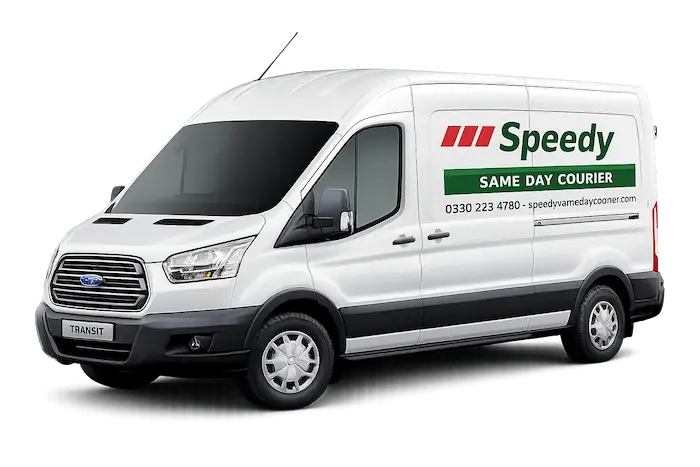
Speedy Same Day Courier provides direct, GPS-tracked delivery across UK mainland locations for parcels, documents, equipment, pallets and larger consignments. With a range of vehicles available, the service can be matched to the urgency and physical requirements of the job rather than forcing every shipment into the same delivery process.
Prepare the consignment for a controlled handover
Even the best courier service depends on accurate booking information and a ready-to-collect parcel. Check the delivery address, postcode and recipient contact number before the driver arrives. Make sure the item is packed, labelled and accessible at the collection point. If collection is from a reception desk, warehouse or busy office, tell the relevant team that a driver is due.
At the destination, confirm whether the recipient must be present, whether security needs advance notice and whether there are timed access arrangements. These small checks prevent the common failures that slow down urgent work: an unavailable contact, a closed loading bay, an incorrect suite number or goods left waiting for release.
The right secure parcel delivery service should give you certainty when time is short. Choose direct handling, live vehicle visibility and a courier that asks the practical questions before the vehicle is dispatched. When the consignment matters, control is what gets it there safely.