
A missed production deadline, a replacement laptop needed before a client meeting, or signed legal papers that must reach their destination today all create the same problem: waiting is not an option. This guide to urgent parcel collection explains how to arrange a fast, controlled collection and give your consignment the best chance of arriving safely and on time.
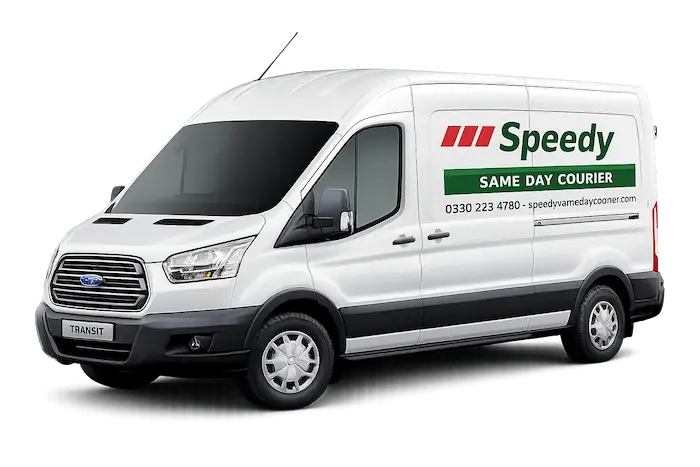
Urgent delivery is not simply standard parcel transport with a quicker label. The collection process, vehicle choice, packaging and routing all matter. For time-critical consignments, a dedicated same-day courier removes unnecessary handling by sending a vehicle directly from collection point to delivery address.
When urgent parcel collection is the right choice
Urgent collection is most useful when the cost of delay exceeds the cost of direct transport. This might mean an engineer is waiting for a critical part, an office has suffered IT equipment failure, a contract needs an original signature, or stock must reach a customer before a fixed deadline.
It is also the sensible option for valuable, sensitive or awkward items. A dedicated vehicle means the parcel is collected for your job and travels directly to its destination, rather than moving through multiple depots or changing hands between services. That reduces both transit time and the opportunities for damage, misrouting or uncertainty.
The right service depends on the actual deadline. If an item must be delivered by a certain time, provide that time at booking rather than simply requesting a fast collection. A courier can then assess the collection location, distance, traffic conditions, vehicle requirement and delivery point before confirming a workable plan.
Prepare the parcel before the courier arrives
A rapid collection only works if the consignment is ready to leave. Confirm the item is packed, labelled and accessible before booking, particularly if collection is required within 60 minutes. Time can quickly be lost when a driver arrives to find that paperwork is incomplete, goods are still being packed, or the collection contact is unavailable.
Use packaging that suits the item and the journey. Documents should be placed in a secure document wallet or rigid envelope. Fragile equipment needs internal cushioning and a strong outer carton. Heavy items should be packed in suitable boxes or secured to a pallet where required. If an item has sharp edges, loose components or unusual dimensions, make this clear when requesting a quote.
The label should show the recipient’s full name, company name where relevant, complete address and postcode, plus a reliable delivery contact number. Add your own collection reference if your business needs proof for purchasing, job tracking or internal records. For high-value equipment, record the serial number and take clear photographs before handover.
Give accurate dimensions and weight
Vehicle selection is one of the most important decisions in urgent logistics. A small document may be best collected by motorbike or car, while several cartons could require a small van. Long equipment, bulky stock and palletised freight may need a long wheelbase van, XLWB van or tail-lift Luton.
Do not estimate if you can measure. Provide the length, width, height and weight of each item, along with the total number of pieces. Also mention loading constraints, such as stairs, a lack of parking, restricted site access, loading bay rules or a need for a tail lift. Accurate information helps prevent delays at collection and ensures the vehicle can safely carry the consignment.
Information a courier needs for a fast collection
The booking process should be clear enough to complete quickly, but detail is still essential. Provide the precise collection and delivery addresses, including postcodes, floor or unit numbers, and the names and telephone numbers of contacts at both ends.
Tell the courier when the item will be ready, not merely when you would like it collected. If the collection is from a busy office, warehouse, hospital, court or industrial site, explain the sign-in process and whether the driver needs a reference number, security clearance or collection code. A driver who can enter promptly is more likely to keep the delivery on schedule.
Delivery instructions matter just as much. Specify whether the item must go to a named person, reception, goods-in department or secure location. If proof of delivery is required, make that clear from the outset. For legal, financial and sensitive business documents, a named handover can provide stronger accountability than leaving an item at a general reception desk.
Choosing direct transport over a shared network
For routine parcels, a shared network can be appropriate. For urgent work, the trade-off is control. Shared services often involve fixed cut-off times, depot processing, multiple vehicles and delivery windows rather than a direct commitment.
A dedicated same-day courier is assigned to your consignment. Once collected, the vehicle travels from A to B without transfers. This is especially valuable when the item is sensitive, high-value, fragile or required for a time-specific task. It also gives you a clearer line of responsibility if plans change while the delivery is in transit.
Direct transport does not mean every urgent collection uses the same vehicle. A motorbike can make excellent sense for small documents in congested city areas, while it would clearly be unsuitable for boxed IT hardware or multiple cartons. A professional courier matches capacity to the job instead of sending an oversized vehicle by default or trying to force a large consignment into an unsuitable one.
What happens after an urgent collection is booked
Once the booking details are confirmed, the courier allocates a suitable driver and vehicle. In most areas, urgent collections can be arranged within 60 minutes, subject to vehicle availability, location and the information supplied. Where timing is particularly critical, ensure the collection contact keeps their phone available until the driver arrives.
At collection, the driver should verify the consignment, collect any required documents and secure the item for transport. A fully insured, vetted driver and GPS-tracked vehicle add practical reassurance, particularly when the delivery involves valuable stock, confidential documents or essential business equipment.
Real-time tracking is useful for more than peace of mind. It allows a logistics coordinator to update a customer, prepare the receiving team, manage an engineer’s visit or respond quickly if site access changes. If the delivery address, contact or deadline changes after departure, contact the courier immediately. A direct service can often adapt, but the earlier the change is raised, the more options are available.
Avoid the common causes of delay
Most collection delays are preventable. The parcel is not ready, the driver cannot find the correct entrance, dimensions are inaccurate, or nobody at the destination knows to expect the delivery. Small details have a disproportionate effect when every minute counts.
Before confirming the booking, check the collection postcode, delivery postcode, contact numbers and item description. Confirm that both sites can accept the vehicle type being sent. If a delivery is going to a site with timed access or strict security procedures, build this into the plan rather than treating it as an issue for the driver to solve on arrival.
For a business sending regular urgent consignments, keep a simple record of frequent collection points, authorised contacts, delivery instructions and typical load sizes. This makes repeat bookings faster and helps your team select the correct vehicle without starting from scratch each time.
Urgent parcel collection for different types of item
The principle is the same, but handling should reflect the consignment. Legal documents need confidentiality and a reliable handover. IT equipment needs protective packaging and careful loading. Retail stock may need multiple-drop planning only if timing permits, while an essential machine part usually needs a direct run with no diversion.
Pallets and oversized goods require additional planning. Confirm whether a forklift is available at collection and delivery, whether the pallet can be loaded from ground level, and whether a tail-lift vehicle is necessary. Sending the wrong vehicle can turn an urgent job into a delayed one, so this is the point where clear information protects the schedule.
For personal senders, the same standards apply. Whether you are sending forgotten keys, a replacement device, important paperwork or a valuable gift, describe the item honestly and package it properly. Urgency should never mean cutting corners on protection or address details.
Make the final decision with confidence
Before booking, ask three practical questions: Is the parcel ready now? Does the courier have every detail needed to collect and deliver it? Is the selected vehicle appropriate for the item and site access? If the answer is yes, a dedicated urgent collection gives you a direct, visible route from sender to recipient.
Speedy Same Day Courier can provide that control through fully insured drivers, GPS-tracked vehicles and direct UK mainland delivery. When a delay could affect a customer, a project or a critical operation, clear preparation and a dedicated courier turn an urgent request into a managed delivery.